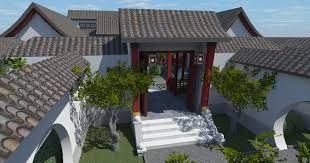
The term China House often evokes images of elegant courtyards, curved roofs, red lanterns, and centuries-old traditions deeply rooted in Chinese culture. A China house is more than just a place to live—it reflects philosophy, family structure, social values, and harmony with nature. From ancient dynasties to modern interpretations, Chinese houses remain one of the most fascinating architectural styles in the world.
This article explores what a China house is, its historical background, architectural features, cultural importance, and how traditional designs influence modern homes today.
What Is a China House?
A China house typically refers to a traditional Chinese residential structure built according to ancient architectural principles. These homes were designed to balance nature, family life, and spiritual beliefs, particularly influenced by Confucianism, Taoism, and Feng Shui.
Unlike Western houses that often prioritize individual space, traditional Chinese houses focus on collective living, symmetry, and hierarchy within the family.
Historical Background of Chinese Houses
Chinese residential architecture dates back more than 4,000 years, evolving through dynasties such as:
-
Shang and Zhou Dynasties – Early wooden structures
-
Han Dynasty – Courtyard homes became common
-
Tang and Song Dynasties – More refined layouts and decorations
-
Ming and Qing Dynasties – Peak of traditional Chinese house design
Because wood was the primary building material, many ancient houses did not survive, but their layouts and philosophies were passed down through generations.
Key Architectural Features of a China House
1. Courtyard Layout (Siheyuan)
The most iconic China house design is the Siheyuan, meaning “four-sided courtyard.” It consists of buildings on all four sides surrounding an open courtyard.
Purpose of the courtyard:
-
Natural ventilation and sunlight
-
Family gatherings
-
Spiritual and emotional balance
2. Symmetry and Balance
Chinese houses are built along a central axis, symbolizing order and harmony. Important rooms are placed at the back, while less important spaces are closer to the entrance.
This symmetry reflects Confucian values of respect, hierarchy, and family structure.
3. Curved Roofs and Extended Eaves
Traditional China houses often feature:
-
Curved roof edges
-
Overhanging eaves
These elements:
-
Protect against rain and sun
-
Symbolize protection and prosperity
-
Add elegance to the structure
4. Wooden Construction
Wood is the primary material used in traditional Chinese homes because it symbolizes:
-
Growth
-
Flexibility
-
Life energy
Intricate wooden carvings often decorate doors, windows, and beams, featuring dragons, phoenixes, flowers, or lucky symbols.
5. Feng Shui Principles
Feng Shui plays a vital role in China house design:
-
Doors face auspicious directions
-
Water and plants are carefully placed
-
Room positions align with energy flow (Qi)
The goal is to ensure health, wealth, and harmony for the residents.
Cultural Significance of a China House
A China house is not just architecture—it is a reflection of Chinese life.
Family-Centered Living
Traditional homes were built to house multiple generations under one roof, strengthening family bonds.
Symbolism in Design
Every element has meaning:
-
Red color → good luck and happiness
-
Dragons → power and protection
-
Courtyards → unity and peace
Social Status
The size, decorations, and layout of a house often indicated the owner’s social rank and wealth.
Regional Variations of China Houses
China’s vast geography led to different housing styles:
Northern China
-
Siheyuan courtyard houses
-
Thick walls to withstand cold winters
Southern China
-
Open designs for ventilation
-
Water towns with houses near canals
Fujian Tulou
-
Large circular or square communal houses
-
Built for defense and community living
Cave Houses (Yaodong)
-
Found in northern regions
-
Built into hillsides for insulation
Modern Interpretations of China Houses
Today, many architects blend traditional Chinese elements with modern materials like glass, steel, and concrete.
Modern China house features include:
-
Open courtyards in urban villas
-
Feng Shui-based layouts
-
Minimalist interiors with traditional motifs
These homes preserve cultural identity while meeting modern lifestyle needs.
China House in Popular Culture and Tourism
Traditional Chinese houses are major tourist attractions, especially in:
-
Beijing (hutongs)
-
Pingyao Ancient City
-
Lijiang Old Town
-
Suzhou classical gardens
Many old China houses have been transformed into:
-
Museums
-
Boutique hotels
-
Cultural centers
Why China Houses Still Matter Today
Even in an age of skyscrapers and apartments, the China house remains relevant because it teaches:
-
Sustainable living
-
Community values
-
Respect for nature
-
Architectural harmony
Its principles influence not only Chinese architecture but also global design trends focused on balance and well-being.
Conclusion
A China house is far more than a traditional dwelling—it is a living expression of Chinese history, philosophy, and family values. From ancient courtyard homes to modern adaptations, these houses continue to inspire architects, designers, and culture enthusiasts around the world.
By understanding China houses, we gain insight into how architecture can shape not just buildings, but the way people live, interact, and connect with their surroundings.
Read More Such!